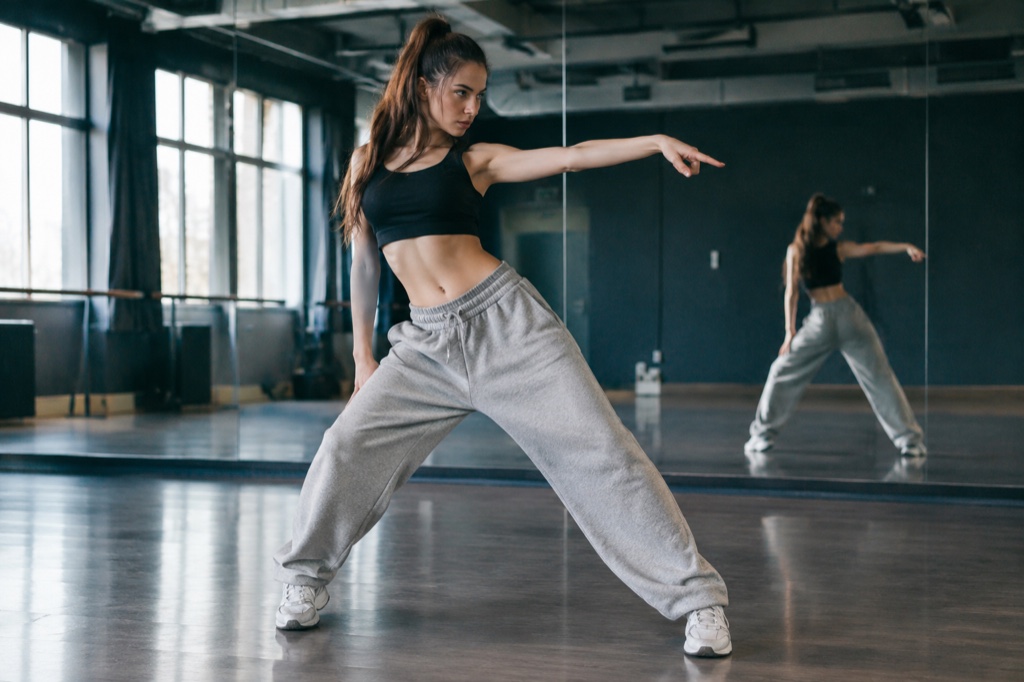
Fan-made trend studio · IVE choreography

The Looks Can Kill AI dance: one photo, one finger-gun point, twelve seconds

The point is the whole move. "Looks Can Kill" trades big arm waves for something colder: a half-turn, a sharp look over the shoulder, one hand shaped like a finger-gun, and a single decisive point straight at the camera on the beat. Fans call it the girl-hero point because it reads like the last frame of an action movie. That is also why it works so well as a single-photo AI clip — one clear pose carries the entire performance.

Looks Can Kill AI is a fan-made studio built for that exact moment. You upload one photo — a selfie, a full-body shot, a cosplay still — and the model rebuilds it as a moving body: weight shift, shoulder turn, the arm snapping up into the point. Output is vertical 720p, twelve seconds, sized for the short-form feed. Credits start at $9.90; a standard clip costs 35 credits, and failed renders are refunded.

Clips on this page are AI-generated previews. They are fictional and not a record of a real event.

Updated 20 October 2026

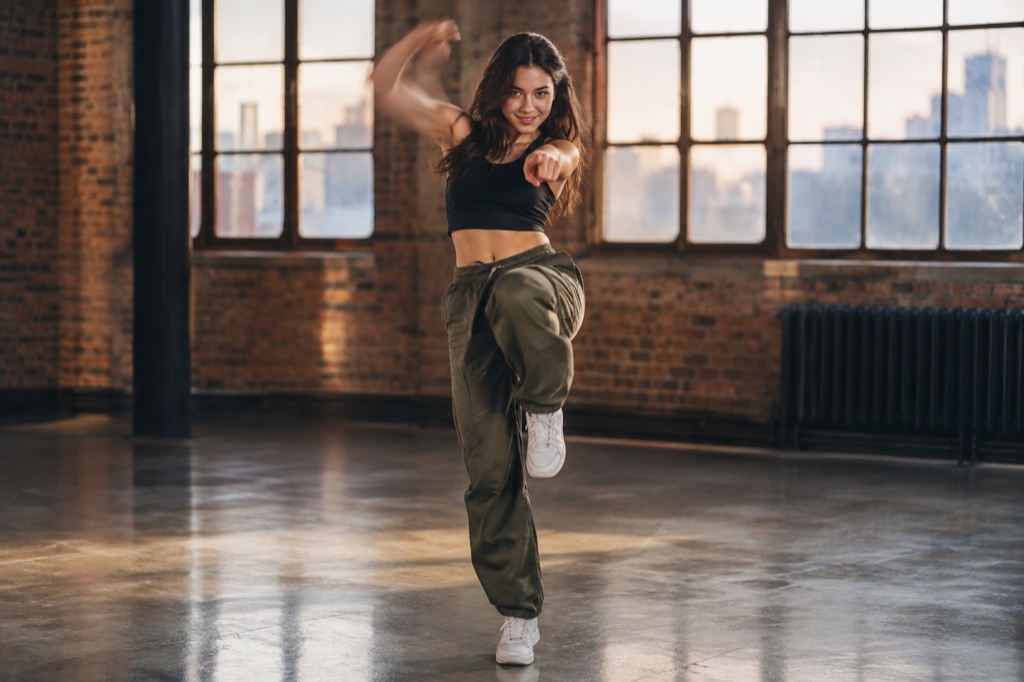
Vertical AI-generated frame of a person mid-way through the hero point, finger-gun hand aimed at the camera
Length
5–12 seconds
Resolution
480p · 720p · 1080p
Aspect ratio
9:16 · 16:9 · 1:1
Watermark
None on paid renders
Model
Seedance 2.0
Moderation
SeeAPI, fail-closed

Full-body motion, not a talking head

The render covers hips, stance and a turning torso, so the point lands on a body instead of floating on a face. Vertical 9:16, 720p, twelve seconds per clip.

Prompted like stage direction

Describe the half-turn, the hand shape and the hold. Short, physical instructions keep the choreography legible; long routines turn to mush.

Straightforward credits

Credits from $9.90. One standard 720p twelve-second clip costs 35 credits, and any render that fails is refunded rather than burned.

How it works

  1. 1

    Choose a photo that can survive motion

    Go full-body or three-quarter rather than a tight selfie. The model has to invent legs, hips and a rotating shoulder, so give it a body to work from and leave empty space above your head and on the side you turn toward.

  2. 2

    Clean up the hands

    Hands are where photo-to-video falls apart. Pick a source with visible, uncluttered hands, arms clear of the torso, and no gloves or held objects that read as a second silhouette. Plain backgrounds and even light help likeness more than pixel count.

  3. 3

    Write the beat, not the song

    Enter a short text cue: chin drops, half-turn, finger-gun up at the chest, point to camera, hold. Three or four physical directions beat a paragraph describing an entire eight-count routine.

  4. 4

    Review, then re-roll

    Watch the arm swing and the point frame first. Expect two or three generations before it lands cleanly; failed renders are refunded, so a bad take costs you time, not credits.

Start from a tested prompt

Each prompt is complete: subject, scene, camera and what must not change. Copy it or open the studio with it pre-filled.

Side-by-side of an uploaded full-body photo and the generated 12-second clip during the shoulder turn

Rooftop hero

A rooftop hero scene that keeps the face and outfit from your photo.

Prompt (English)

Use the person in the uploaded photo as the only hero. Keep their face, hair, skin tone and outfit exactly as photographed. Night rooftop above a glowing city skyline, a light breeze moving their hair and jacket. The person walks two steps toward the lens, crosses their arms, snaps a finger-gun hand toward the camera, points at the lens, shifts their weight through a sharp side step, lifts one bent leg, raises an arm overhead and settles into a wide action-hero stance with one final point. One continuous vertical 9:16 shot at full-body distance, a slight low angle, cinematic teal and amber light, slow motion on the snap. No text, no watermark, no other people, no real celebrities, no logos.

Use in studio

Practice room

A practice room scene with a tighter camera and a held final pose.

Prompt (English)

Use the person in the uploaded photo as the only hero. Keep their face, hair, skin tone and outfit exactly as photographed. A bright dance practice room with a mirrored wall, pale wooden floor and soft daylight. The person faces the mirror, then turns to the camera: they roll their shoulders, cross their arms near the face, snap a finger-gun point at the lens, take a quick side step, lift a bent leg and finish with an arm raised overhead. One continuous vertical 9:16 shot at full-body distance, handheld camera with a gentle push-in, clean natural light. No text, no watermark, no other people, no real celebrities, no logos.

Use in studio

Spotlight finale

A spotlight finale scene for a more graphic, stylised result.

Prompt (English)

Use the person in the uploaded photo as the only hero. Keep their face, hair, skin tone and outfit exactly as photographed. A dark stage with a single warm spotlight and a thin haze in the air. The person steps into the light, crosses their arms, snaps a finger-gun point at the lens, shifts through a side step, lifts a bent leg and finishes with an arm overhead and a held final pose as the light tightens on them. One continuous vertical 9:16 shot at full-body distance, slow push-in, deep shadows and warm rim light. No text, no watermark, no other people, no real celebrities, no logos.

Use in studio

The finger-gun point, broken into beats

The move is a sequence, not a freeze. Count one: chin drops, shoulders square. Count two: a small half-turn so the far shoulder comes forward. Count three: the near hand rises into a finger-gun shape — thumb up, index forward, elbow soft. Count four: the point lands at the camera and holds. The hold is the part people remember, and the part a good render can sell.

That is why prompt phrasing matters. A whole routine described in prose produces mush; the half-turn, the hand shape and the hold produce something you can actually post. Treat the text box as stage direction for a single hero beat, not a wish list.

Which photos make the best source

Full-body and three-quarter shots outperform close-up selfies here, because the clip has to animate a stance and a torso rotation. If you are cropping, keep air above the head and to the side you turn toward — the point needs room to travel and the point is the payoff.

Hands decide the take. Visible fingers, arms off the body, no props. A clean background also reduces the chance the model invents a second arm out of a chair back or a shadow.

Plan on re-rolling. Two or three attempts is normal for any photo-to-video model when a specific gesture has to land on a specific beat.

Fan-made, and clear about it

This is an independent studio for the trend. It is not affiliated with IVE or Starship Entertainment, and it does not ship the official recording, the music video or any member's likeness. What it animates is your photo of you.

So the clip arrives silent: add your own licensed audio on the platform you post to. Use your own likeness, or one you have permission to animate. Feeding in a photo of an IVE member and captioning the output as that member is the one thing this trend does not need.

Questions people ask

Is this the official IVE or Starship tool?

No. Looks Can Kill AI is an independent, fan-made studio. It is not affiliated with IVE or Starship Entertainment and does not use official recordings, videos or member likenesses.

Does the clip come with the official song?

No audio is included. The render is a silent video of your photo performing the point, and you add audio yourself using whatever is licensed on your platform.

How much does a clip cost?

Credits start at $9.90. A standard 720p twelve-second clip costs 35 credits. If a render fails, those credits are refunded.

Can I use a selfie instead of a full-body photo?

Yes, though results are weaker. A selfie forces the model to invent legs and hip movement, which often shows. Three-quarter or full-body shots keep the half-turn and the stance believable.

What format and length do I get?

Vertical 9:16 at 720p, twelve seconds. That is the length of the choreography's core beat, and it fits short-form feeds without cropping.

Will it match the choreography exactly?

It approximates the hero point — turn, finger-gun, point, hold — rather than reproducing frame-accurate choreography. Hands are the usual weak spot, so re-roll until the arm swing reads cleanly.

Turn your photo into a clip

Start with the preset on this page, or write your own shot. Credits are shown before you generate, and failed renders are refunded.